


Automatic Dosing Device and System for Efficient Chemical Management
What Is an Automatic Dosing Device ?
An automatic dosing device is an advanced solution that ensures the precise and controlled addition of chemicals, additives, or liquids to a process. These systems are engineered to dispense exact quantities of substances, based on set parameters such as time, flow rate, or volume, which are crucial for industrial applications where accuracy and consistency are key.
Automatic dosing devices are utilized across various sectors, including water treatment, agriculture, pharmaceuticals, and chemical manufacturing. In each of these industries, maintaining a consistent and reliable chemical dosing process is vital to ensuring product quality, safety, and operational efficiency.
In water treatment, for instance, these systems are used to manage the dosing of chemicals such as chlorine or coagulants, which are essential for disinfecting and purifying water. In agriculture, they ensure the accurate application of fertilizers and pesticides, minimizing waste while optimizing crop yield.
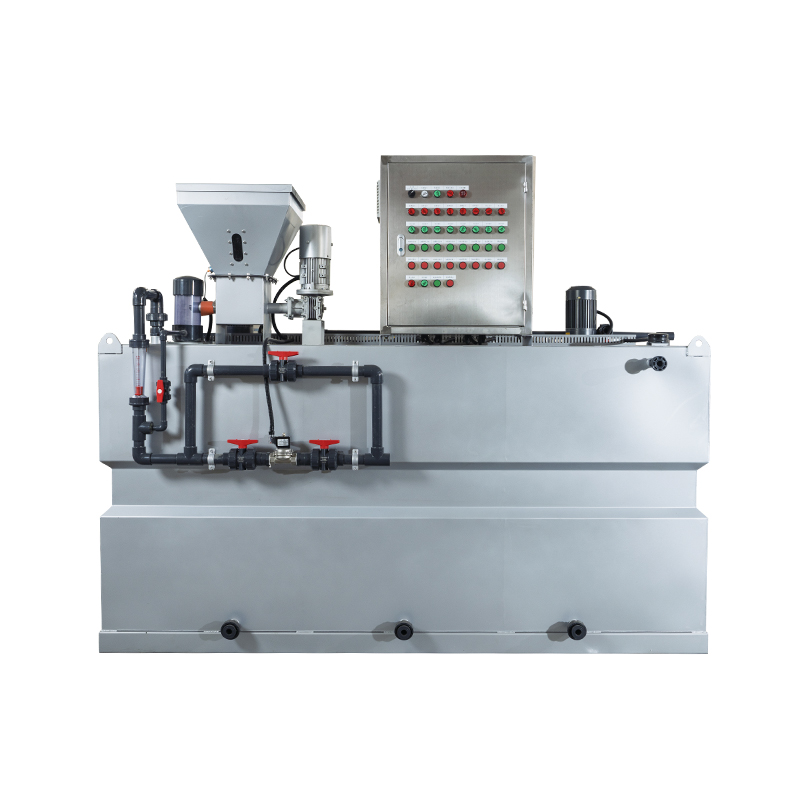
Benefits of Using Automatic Dosing Systems
Automatic dosing systems provide numerous benefits, particularly in terms of efficiency, accuracy, and cost savings. By automating the dosing process, businesses can significantly reduce the chances of human error, which is common in manual dosing methods. This leads to more accurate and consistent results, reducing variability and increasing overall production quality.
Another significant advantage is the ability to integrate these systems into existing production lines and process flows. With the help of sensors and advanced control mechanisms, automatic dosing systems allow real-time monitoring of chemical dosing, enabling prompt adjustments to optimize performance. The ability to track and control chemical usage also leads to less waste, contributing to both cost savings and more sustainable operations.
Moreover, automatic dosing systems offer enhanced safety features . By limiting human interaction with hazardous chemicals, these systems reduce the risk of accidents and exposure to toxic substances. This makes them ideal for industries handling potentially dangerous materials, such as pharmaceuticals, chemicals, and food processing.
For example, in pharmaceutical manufacturing, precise chemical dosing ensures that active ingredients are accurately mixed, resulting in high-quality products that meet stringent industry standards. Similarly, in food processing, automatic dosing ensures the consistent addition of preservatives or flavorings without affecting the product's overall taste or texture.
Applications of Automatic Dosing Systems
Automatic dosing systems find applications in a wide range of industries, each requiring specialized features and capabilities. The primary function across these industries is the precise and accurate application of various chemicals or additives. Below, we explore how these systems are utilized in several key sectors:
- Water Treatment: In municipal water treatment plants, automatic dosing systems regulate the addition of chemicals like chlorine, coagulants, and flocculants to treat water effectively. These systems ensure that water meets safety standards for human consumption.
- Agriculture: In modern farming, automatic dosing systems are used to apply fertilizers, pesticides, and herbicides with great precision, reducing overuse and ensuring healthier crops. This not only improves crop yield but also reduces environmental impact.
- Pharmaceuticals: In the production of medicines, the accurate dosing of ingredients is critical to ensuring the efficacy and safety of the final product. Automatic dosing systems ensure that these ingredients are precisely measured and mixed according to strict pharmaceutical standards.
- Chemical Manufacturing: Automatic dosing is essential in the manufacturing of chemicals, where it ensures the correct blending of various components. This precision contributes to the quality and consistency of the final chemical products.
Key Features of Automatic Dosing Systems
The effectiveness of automatic dosing systems is attributed to their key features, which make them suitable for a wide variety of industrial applications. Some of the most important features include:
- Precise Measurement: Automatic dosing systems are designed to deliver exact amounts of chemicals, ensuring that the correct dosage is applied each time. This is essential for maintaining product quality and consistency.
- Real-time Monitoring: With the help of sensors and controllers, these systems continuously monitor the dosing process, providing feedback and allowing for immediate adjustments. This real-time monitoring improves efficiency and prevents errors.
- Customization and Integration: These systems can be customized to suit specific applications and integrated with other automation systems within the facility. This integration enhances overall production efficiency.
- Durability and Reliability: Designed to withstand harsh industrial environments, automatic dosing systems are made from durable materials that ensure long-term reliability and minimal downtime.
- Ease of Maintenance: The modular design of many dosing systems allows for easy servicing and maintenance, ensuring that they remain operational without costly disruptions.
Choosing the Right Automatic Dosing Device
Selecting the right automatic dosing system requires careful consideration of several factors. These factors include the specific application, chemical properties, dosing requirements, and the operating environment. Here are some key aspects to consider when making your choice:
- Application Requirements: Understand the nature of the chemicals to be dosed, their concentrations, and the application process. Some chemicals may require specialized handling or additional safety features.
- Accuracy and Precision: Ensure that the system meets the necessary dosing accuracy for your process. For high-precision applications, a high-performance dosing system is essential.
- System Integration: Evaluate how well the dosing system integrates with existing automated processes within your plant. Seamless integration can improve overall system performance.
- Maintenance and Support: Opt for a system that is easy to maintain, with reliable technical support. This will help minimize downtime and ensure continuous operation.
Conclusion
Automatic dosing devices and systems play a crucial role in industries that require precise and efficient chemical dosing. Whether used in water treatment, pharmaceuticals, agriculture, or chemical manufacturing, these systems offer significant advantages in terms of accuracy, safety, and cost-efficiency.
By automating the dosing process, industries can reduce human error, ensure consistency, and improve safety standards. Additionally, the integration of real-time monitoring and advanced control features makes these systems versatile and adaptive to different operational needs.
In conclusion, adopting automatic dosing systems is a wise investment for businesses looking to optimize their production processes, minimize waste, and achieve greater operational efficiency.
Yixing Hengye 환경 보호와 협력합시다
Contact Us- 문의하기
-
-
[email protected]

[email protected] -
+86-13812201185

-
+86-13812201185

-
중국 장쑤성 우시시 이싱시 가오청진 가오야오 마을 사이테로 20호

-



