


DAF Systems & Dissolved Air Flotation Pumps: Setup, Treatment & Costs
무엇입니까? DAF 폐수 처리 분야에서?
DAF는 용해된 공기 부양 - 부유 고형물, 지방, 오일, 그리스 및 콜로이드 입자를 미세한 기포에 부착하고 생성된 집합체를 물 표면에 부유시켜 기계적 제거를 통해 제거하는 물 및 폐수 정화 공정. 밀도가 높은 입자를 가라앉히기 위해 중력에 의존하는 퇴적과는 달리, DAF는 부력을 이용하여 부유 상태로 남아 있거나 정착하는 데 비현실적으로 오랜 시간이 걸리는 저밀도 오염 물질을 부유시킵니다.
이 공정은 처리된 물의 가압된 재활용 흐름(일반적으로 4~8bar)에 공기를 용해시킨 다음 해당 흐름을 대기압의 부유 탱크로 다시 방출하는 방식으로 진행됩니다. 급격한 압력 강하는 용해된 공기가 일반적으로 조밀한 미세 기포 구름 형태로 용액 밖으로 핵이 생성되도록 합니다. 직경 10~100미크론 . 이러한 기포는 부유 입자와 플록에 부착되어 입자 기포 집합체의 유효 밀도를 물보다 훨씬 낮게 감소시킵니다. 골재는 표면으로 상승하여 플로트(float) 또는 스키밍(skimming)이라고 불리는 부유 슬러지 층을 형성하며 이는 기계식 스키머에 의해 지속적으로 제거됩니다.
수처리 및 폐수 처리 분야의 DAF는 도시 식수 정화, 식품 및 음료 가공 폐수, 제지 및 펄프 공장 폐수, 섬유 염색소 폐수, 정유 공장 생산수, 양식 재순환 시스템, 유전 생산 수처리 등 매우 광범위한 산업에 걸쳐 적용됩니다. 이 제품의 특별한 강점은 침전이 느리고 신뢰할 수 없는 대상 오염물질(지방, 오일, 섬유 및 생물학적 플록)의 비중이 1.0에 가까우거나 미만인 응용 분야에 있습니다.
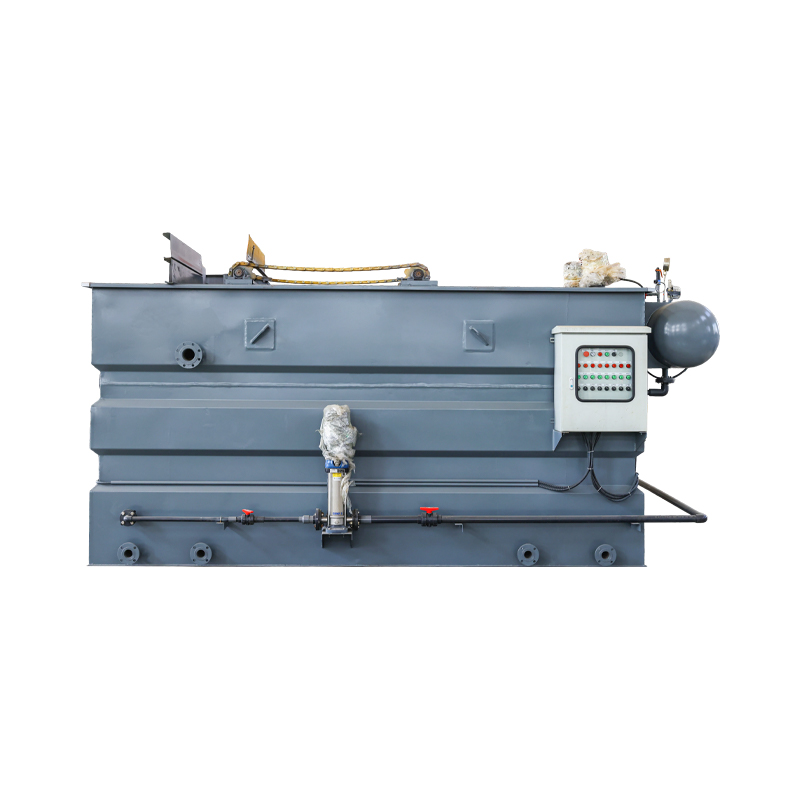
DAF 폐수 처리 작동 방식: 공정 단계
완전한 DAF 폐수 처리 시스템은 여러 순차적 단계를 통해 유입수를 처리합니다. 올바른 시스템 설계, 화학 물질 투여 및 운영 문제 해결을 위해서는 각 단계를 이해하는 것이 필요합니다.
1단계 — 전처리 및 균등화
DAF 시스템으로 유입되는 원폐수는 일반적으로 스크린이나 여과기를 통과하여 재활용 펌프와 포화기를 오염시킬 수 있는 총 고형물을 제거합니다. 배치 또는 가변 흐름 산업 공정의 경우 DAF 장치 상류의 균등화 탱크가 흐름 및 오염 물질 부하 변동을 완충하여 분리 효율성을 감소시키는 유압 충격 및 화학물질 투여 불안정성을 방지합니다.
2단계 - 화학적 응고 및 응집
대부분의 DAF 응용 분야에서는 콜로이드 입자를 불안정하게 만들고 미세한 부유 고형물을 기포 부착에 충분히 큰 플록으로 응집시키기 위해 화학적 전처리가 필요합니다. 응고제(일반적으로 황산알루미늄(명반), 염화제이철 또는 폴리염화알루미늄(PAC))은 콜로이드 입자의 음전하 표면 전하를 중화하기 위해 급속 혼합 지점에 투입됩니다. 그런 다음 응집제(음이온성 또는 양이온성 폴리아크릴아미드 폴리머)를 부드러운 혼합 구역에 투입하여 개별 응고된 입자를 더 크고 강한 플록 구조로 연결합니다. 플록 크기, 밀도 및 강도 DAF 분리 효율의 주요 결정 요인이므로 화학 물질 선택 및 투여량 최적화가 중요한 설계 및 운영 매개변수입니다.
3단계 — 가압 및 공기 용해
정화된 DAF 유출수의 일부 - 일반적으로 재활용 흐름 공급유량의 10~50% - DAF 재순환 펌프에 의해 가압되어 포화기 또는 용해 탱크라고 불리는 압력 용기로 공급됩니다. 압축 공기는 포화 장치에 주입되어 헨리의 법칙에 따라 압력을 받아 물에 용해됩니다. 포화된 재순환 흐름은 부유 탱크 입구로 향할 때까지 압력을 유지합니다.
4단계 — 부양 및 스키밍
가압된 재순환 흐름은 감압 밸브를 통해 부유 탱크로 방출되어 들어오는 화학적으로 처리된 공급수와 접촉합니다. 미세 기포는 순간적으로 핵을 생성하고 플록 입자에 부착되어 탱크의 수압 유지 시간 동안 표면으로 올라갑니다. 일반적으로 15~30분 기존 DAF 설계에서는 고속 장치에서 3~8분으로 단축되었습니다. 체인 앤 플라이트 또는 회전식 해변 스키머는 축적된 부유 슬러지를 슬러지 수집 통으로 지속적으로 제거합니다. 정화된 물은 물에 잠긴 유출 포트를 통해 탱크 바닥에서 나옵니다.
5단계 - 슬러지 처리
DAF 부유 슬러지는 일반적으로 다음과 같은 고형물 농도를 갖습니다. 중량 기준 건조 고형물 2~8% — 동등한 침전 공정에서 발생하는 정화기 언더플로우 슬러지보다 훨씬 더 농축되어 있습니다. 이러한 농축 이점은 하류 슬러지 탈수 장비 크기와 운영 비용을 줄입니다. 부유 슬러지는 일반적으로 폐기, 퇴비화, 혐기성 소화 또는 식품 가공 응용 분야에서 동물 사료 성분으로 회수하기 전에 중력 벨트 농축기 또는 원심분리기에서 더 농축됩니다.
DAF 펌프 유형: 재활용 펌프, 공급 펌프 및 선택 기준
용존 공기 부양 펌프(DAF 펌프)는 시스템 성능을 가장 직접적으로 담당하는 구성 요소입니다. DAF 시스템에는 서로 다른 두 가지 펌프 역할이 있으며 각각 성능 요구 사항이 다르며 각 역할에 맞는 올바른 펌프 유형을 선택하는 것이 안정적인 작동의 기본입니다.
DAF 재활용 펌프
DAF 재순환 펌프는 정화된 유출수 재순환 흐름을 포화기 작동 압력으로 가압합니다. 일반적으로 4~8bar(60~120psi) . 이는 시스템에서 가장 중요한 펌프입니다. 그 성능은 생성된 미세 기포의 양과 품질을 직접적으로 결정하며, 이는 결국 분리 효율성을 제어합니다.
재활용 펌프의 주요 선택 기준은 다음과 같습니다.
- 다단계 원심 설계: 재순환 스트림의 일반적인 적당한 유속(공급물의 10~50%)과 결합된 압력 요구 사항(4~8bar)은 다단계 원심 펌프 영역에서 사용 지점을 정확하게 배치합니다. 단일 단계 펌프는 압력이 충분하지 않습니다. 용적형 펌프는 일반적으로 과도하게 사양이 지정되어 있으며 유지 관리 비용이 더 많이 듭니다.
- 동반 공기의 허용 오차: 펌프 입구의 재순환 흐름에는 용액에서 나오는 잔여 용해 공기가 포함될 수 있습니다. 기존 원심 펌프는 이러한 조건에서 공동화됩니다. DAF 전용 재활용 펌프는 확대된 임펠러 눈 영역, 감소된 NPSH 요구 사항, 때로는 증기 잠금 없이 기체-액체 혼합물을 처리할 수 있는 자체 프라이밍 기능을 갖도록 설계되었습니다.
- 가변 속도 드라이브: 가변 주파수 드라이브(VFD)를 갖춘 리사이클 펌프를 장착하면 리사이클 유량(따라서 기포 발생률)을 공급 유량 및 오염 부하 변화에 맞게 조정하여 효율성을 향상시키고 부분 부하에서 에너지 소비를 줄일 수 있습니다.
- 건축 자재: 깨끗한 물이나 도시 용도의 경우 내부가 스테인리스인 주철이 표준입니다. 식품 가공, 제약 또는 고염화물 산업 폐수의 경우 공정 흐름의 부식 생성물 오염을 방지하기 위해 전체 스테인레스 316L 구조가 필요합니다.
공급 및 이송 펌프
공급 펌프는 원수 또는 전처리된 폐수를 균압 탱크에서 제어되고 일관된 유속으로 DAF 장치로 옮깁니다. 공급 흐름에는 부유 고형물, 섬유질 물질 또는 생물학적 함량이 포함될 수 있으므로 공급 펌프는 일반적으로 막히지 않는 원심분리형, 점진적 공동형 또는 막힘 없이 고형물을 통과시키는 개방형 또는 와류 임펠러가 있는 수중 하수 펌프 설계입니다. 재활용 펌프와 달리 공급 펌프는 일반적으로 낮거나 중간 정도의 압력에서 작동합니다. 0.5~2바 — 순전히 흐름 전달 및 작은 정적 수두를 위한 크기입니다.
DAF 청징제 설계: 탱크 형상, 로딩 속도 및 주요 매개변수
부유 탱크 자체인 DAF 정화기는 시스템의 중앙 처리 용기이며, 그 기하학적 구조는 전체 시스템 처리량과 유출수 품질을 종합적으로 정의하는 수리학적 체류 시간, 기포 입자 접촉 효율 및 부유 슬러지 제거 성능을 결정합니다.
유압 표면 하중 속도
DAF 정화기의 주요 크기 조정 매개변수는 다음과 같습니다. 유압 표면 부하율 (오버플로율 또는 표면 수리력 부하라고도 함)는 탱크 표면적 단위당 유량으로 표시됩니다. 기존 DAF 장치는 다음과 같은 표면 부하율을 위해 설계되었습니다. 3~6m²/m²/시 ; 라멜라 튜브 모듈을 사용하거나 최적화된 입구 분배를 사용하는 고속 DAF 설계를 통해 10~15m²/m²/시 또는 그 이상. 설계 표면 부하율을 초과하면 수압 단락이 발생하고 체류 시간이 감소하며 부유 슬러지가 폐수로 유입됩니다.
탱크 형상 옵션
DAF 정화기는 직사각형 및 원형 구성으로 제조됩니다. 직사각형 탱크는 대규모 설치의 표준입니다. 간단한 체인 및 플라이트 스키밍이 가능하고 입구 분배 배플을 효율적으로 수용하며 현장 구축 대형 시스템을 위한 모듈식 섹션으로 구성할 수 있습니다. 원형 DAF 정화기는 회전식 스키머 암을 사용하며 더 작은 유량에 대해 콤팩트하고 비용 효과적입니다. 이는 식품 가공 및 소규모 도시 응용 분야를 위한 패키지 공장 구성에서 일반적입니다.
접촉 구역 및 분리 구역
잘 설계된 DAF 정화기는 탱크를 유압식으로 두 개의 기능 구역으로 분리합니다. 는 접촉 구역 유입구에서는 가압된 재활용수가 화학적으로 처리된 공급물과 혼합되어 기포 입자 충돌 및 부착을 최대화하는 곳입니다. 는 분리 구역 탱크 길이의 대부분을 차지하여 난류 붕괴 없이 기포 입자 집합체가 표면으로 상승하는 데 필요한 정지 수력 조건을 제공합니다. 이러한 영역을 분리하는 배플은 중요한 설계 세부 사항입니다. 분리가 부적절하면 유입구 난류로 인해 분리 구역에서 부유물이 상승하는 것을 방해하여 유출수의 품질이 저하됩니다.
DAF 시스템 설정 방법: 설치 및 시운전 체크리스트
설치 시 DAF 시스템을 올바르게 설정하면 장치가 첫날부터 설계 성능을 달성할지 아니면 안정적인 작동에 도달하기 위해 수개월의 문제 해결이 필요한지 여부가 결정됩니다. 다음 체크리스트에는 새로운 DAF 장치 설치 및 초기 시운전을 위한 중요한 단계가 포함되어 있습니다.
- 토목 및 구조적 요구 사항을 확인합니다. DAF 탱크, 화학물질 투여 스키드 및 재활용 펌프 세트는 구조적으로 적합한 수평 콘크리트 바닥에 설치해야 합니다. 탱크, 물, 슬러지 및 보조 장비 등 전체 DAF 시스템은 상당한 점하중을 가합니다. 20m³/hr 용량을 초과하는 모든 시스템에는 기본 슬래브의 구조 엔지니어링 검토가 필요합니다.
- 재활용 펌프를 설치하고 정렬합니다. 펌프 플랜지에 응력이 가해지지 않도록 올바른 흡입 및 배출 파이프 지지대를 사용하여 재활용 펌프를 장착하십시오. 펌프 흡입 시 사용 가능한 NPSH가 작동 유량 범위 전체에서 최소 0.5~1.0m 여유를 두고 필요한 NPSH를 초과하는지 확인합니다. 펌프와 모터 사이의 정렬 불량은 조기 밀봉 및 베어링 고장의 주요 원인입니다.
- 포화기 시운전: 포화기에 깨끗한 물을 채우고 공기 공급 장치가 연결된 상태에서 작동 압력까지 가압합니다. 모든 플랜지 및 나사산 연결부에서 누출이 있는지 확인하십시오. 공기 대 물 비율을 목표로 시스템의 로타미터 또는 유량 컨트롤러를 사용하여 공기 주입 속도를 확인합니다. 재활용수 1리터당 공기 5~10mL 대부분의 응용 분야에서 작동 압력으로 작동합니다.
- 재활용 유량 설정: 재순환 제어 밸브를 사용하여 설계 재순환 비율(일반적으로 공급 유량의 15~30%)로 재순환 펌프를 시운전합니다. 포화기의 안정적인 압력을 확인하십시오. 압력 변동은 펌프 캐비테이션, 흡입 라인의 공기 잠금 또는 소형 재순환 밸브를 나타냅니다.
- 화학물질 투여 최적화: 응고제 및 응집제 투입량의 시작점으로 병 테스트 결과를 시작한 다음, 초기 작동 중 실제 유출 탁도, 총 부유 고형물 및 부유 슬러지 품질을 기준으로 조정합니다. 시스템에 인라인 혼합 반응기가 포함된 경우 급속 혼합 및 부드러운 혼합 유지 시간을 미세 조정합니다.
- 스키머 속도 및 슬러지 배출 설정: Adjust skimmer travel speed to maintain a consistent float sludge blanket depth of 50–150 mm on the tank surface. Too slow allows float to re-mix into the water; too fast dilutes float sludge with clarified water, increasing sludge volume and downstream handling cost.
- Verify effluent quality against design targets: Sample clarified effluent for TSS, turbidity, BOD, and oil and grease (as applicable to the wastewater type) after 30–60 minutes of stable operation. Compare against design guarantee values and commissioning acceptance criteria before signing off the installation.
DAF Systems in Oilfield Wastewater Treatment: Onsite vs. Offsite Cost Comparison
In oilfield and upstream oil and gas operations, produced water and flowback water represent some of the highest-volume and most challenging wastewater streams encountered across all industries. DAF systems are widely used as a primary treatment stage for oilfield wastewater — removing dispersed and emulsified oil, suspended solids, and naturally occurring radioactive material (NORM) scale before discharge, reinjection, or further treatment for beneficial reuse.
Operators managing produced water face a fundamental decision: treat wastewater onsite using installed or mobile DAF and associated treatment equipment, or truck or pipe wastewater offsite to a commercial disposal or treatment facility. This decision has major cost, liability, and operational implications.
Onsite Treatment Cost Structure
Onsite oilfield wastewater treatment using DAF systems involves the following primary cost categories:
- Capital equipment: A mobile or skid-mounted DAF unit suitable for oilfield produced water treatment — typically 50–500 m³/day capacity — ranges from USD 80,000 to USD 400,000 depending on capacity, materials specification, and ancillary systems included. Larger permanent installations for high-volume fields scale significantly beyond this.
- Operating cost per barrel: Onsite DAF treatment of oilfield produced water typically costs USD 0.50–2.50 per barrel treated, encompassing energy, chemicals, labor, and maintenance — with the exact figure heavily dependent on water chemistry, treatment target, and local energy cost.
- Residuals management: Onsite treatment generates a concentrated oil-laden sludge that must be characterized and disposed of as a regulated waste — typically at a cost of USD 50–150 per ton depending on NORM content and regional disposal infrastructure.
Offsite Treatment and Disposal Cost Structure
- Trucking cost: In regions without produced water pipeline infrastructure — common in unconventional shale plays — trucking to Class II disposal wells or commercial treatment facilities costs USD 3–12 per barrel depending on haul distance, road conditions, and regional truck availability. At 10,000 barrels per day of produced water, trucking costs can exceed the value of oil production from the same wells.
- Disposal well injection fees: Commercial saltwater disposal (SWD) well tipping fees typically run USD 0.25–1.50 per barrel excluding transportation, subject to regional market rates and regulatory constraints on injection volumes.
- Liability and compliance exposure: Offsite disposal transfers immediate handling liability to the disposal facility, but the generator retains long-term liability under "cradle-to-grave" frameworks such as RCRA for any subsequent environmental impact from the disposal site — a liability that is difficult to quantify and impossible to eliminate entirely.
Break-Even Analysis and Decision Framework
The economic break-even point between onsite DAF treatment and offsite disposal is primarily driven by produced water volume and transportation distance. At volumes above approximately 2,000–5,000 barrels per day and trucking distances exceeding 30–50 miles, onsite treatment consistently generates a lower total cost per barrel than offsite disposal — even accounting for capital amortization and the full onsite operating cost stack. Below these thresholds, or in plays with established low-cost pipeline takeaway infrastructure, offsite disposal remains competitive on a pure cost basis.
Beyond direct cost, operators increasingly factor water reuse value into the analysis. Treated produced water meeting specifications for hydraulic fracturing reuse eliminates freshwater acquisition costs — which in water-stressed basins such as the Permian can reach USD 1.50–3.00 per barrel for sourced freshwater — fundamentally changing the economics in favor of onsite treatment even at lower produced water volumes.
Selecting a DAF Pump Manufacturer: What to Evaluate
Selecting a DAF pump manufacturer — whether for the recycle pump specifically or for a complete DAF system package — requires evaluating technical capability, application experience, and after-sales support rather than equipment price alone. A recycle pump that fails to maintain stable saturator pressure, or cavitates under variable feed conditions, will compromise DAF performance regardless of how well the rest of the system is designed.
Key evaluation criteria for DAF pump manufacturers and system suppliers include:
- Application-specific pump design: Confirm that the supplier's recycle pump is specifically engineered for DAF service — not a standard booster pump repurposed for the duty. DAF-specific designs address dissolved gas handling, low-NPSH operation, and the pressure-flow characteristics of saturator service that standard pump ranges do not.
- Industry references: Request references from installations in the same industry sector and at comparable flow rates. A manufacturer with extensive municipal water treatment references may not have the application knowledge needed for food processing effluent or oilfield produced water, where chemistry and contaminant types differ significantly.
- Spare parts availability and lead times: The recycle pump is the single highest-consequence failure point in a DAF system — if it stops, the entire treatment process stops. Confirm that wear parts (mechanical seals, impellers, bearings) are held in stock and available for rapid dispatch, not manufactured to order with 8–12 week lead times.
- Process guarantee: A reputable DAF system manufacturer will provide a process performance guarantee — specified effluent TSS, oil and grease, or turbidity values — backed by contractual remedies, not merely equipment specification compliance. This aligns the supplier's interests with achieving actual treatment outcomes rather than simply delivering hardware.
Yixing Hengye 환경 보호와 협력합시다
Contact Us- 문의하기
-
-
[email protected]

[email protected] -
+86-13812201185

-
+86-13812201185

-
중국 장쑤성 우시시 이싱시 가오청진 가오야오 마을 사이테로 20호

-



