


Dissolved Air Flotation DAF: Wastewater Treatment System Design
A 용존 공기 부양 DAF 장치는 지속적으로 제거하는 효율적인 공기 부양 분리 기술입니다. 총 부유 물질의 90~99% , 산업 폐수에서 나오는 지방, 오일 및 그리스. 내부 수처리용 DAF 시스템 , 공기로 포화된 가압수는 마이크로버블을 생성하여 측정 10~100미크론 오염물질에 달라붙어 빠른 속도로 표면으로 떠오릅니다. 3~5분 처리 창. 고효율과 결합하면 용해된 공기 부양 펌프 이상을 달성하는 것 공기 포화도 95% , 용존 공기 부양 시스템 기존 중력 정화기를 능가하는 컴팩트한 설치 공간과 폐수 품질을 제공합니다.
무엇을 하는가? DAF 수처리의 의미와 작동 방식
수처리에서 DAF는 무엇을 의미합니까? DAF는 물에서 부유 물질, 오일, 그리스 및 저밀도 입자를 제거하도록 설계된 물리화학적 분리 공정인 Dissolved Air Flotation의 약어입니다. 는 용존 공기 부양 폐수 처리 유입수가 물 속도를 감소시키고 흐름을 용기 전체에 고르게 분배하는 헤더 박스로 들어갈 때 프로세스가 시작됩니다. 용존 공기로 완전히 포화된 가압된 물 흐름(일반적으로 급류라고 함)은 필요한 응집제 화학 물질과 함께 유입되는 폐수 흐름에 주입됩니다.
가압된 공기-물 용액이 DAF 탱크 내부 대기압에서 방출되면 급격한 압력 강하로 인해 용해된 공기가 수십억 개의 미세한 기포로 용액에서 침전됩니다. 이러한 거품은 일반적으로 30 및 50 마이크론 직경이 소수성 오염물질에 부착되어 전체 비중이 1.0 이하인 기포플록 응집체를 생성하여 표면으로 빠르게 상승하게 합니다. 기계적 스키밍 장치는 부유된 슬러지 층을 제거하는 반면, 정화된 물은 DAF 내부의 여러 지점에서 지속적으로 수집되어 파이프 위어를 통해 배출 챔버로 배출됩니다. 이것이 모든 일의 기초이다 DAF 단위 폐수 처리 운영.
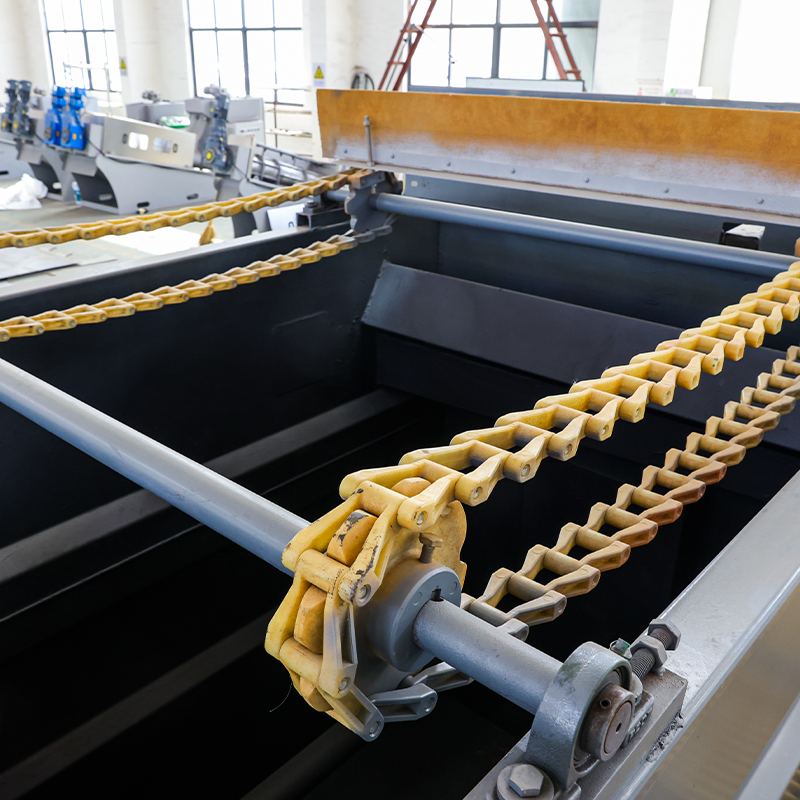
용존 공기 부양 수처리를 구동하는 물리적 원리
는 용존 공기 부양 수처리 이 과정은 액체에 용해된 기체의 양이 액체 위의 해당 기체의 부분압에 비례한다는 헨리의 법칙에 의해 지배됩니다. 처리된 유출수의 재순환 흐름을 공기와 접촉시켜 가압함으로써, 용해된 공기 부양 펌프 대기압에서 가능한 것보다 훨씬 더 많은 공기를 용액에 밀어 넣습니다. 이 포화된 물이 DAF 탱크로 다시 유입되면 압력 강하는 과포화 상태를 만들고 과잉 용해된 공기는 다음 범위의 미세 기포로 빠져나갑니다. 10~100 마이크로미터 직경.
는 attachment of air bubbles to contaminant particles relies on hydrophobic interactions. Oils, greases, and chemically conditioned solids present hydrophobic surfaces to which the bubbles readily adhere. Chemical coagulation followed by flocculation enhances this process by building larger, more hydrophobic flocs that capture bubbles more effectively and rise faster. The DAF reactor is conceptually divided into a contact zone, where floc particles collide with and attach to rising bubbles, and a separation zone, where the floc-bubble aggregates ascend undisturbed to form a float layer. This combination of physics and chemistry makes the 용존 공기 부양 시스템 기존의 정화기에서는 절대 침전되지 않는 가벼운 입자를 제거하는 데 매우 효과적입니다.
성능을 결정하는 DAF 시스템 설계 기준
적절한 DAF 시스템 설계 여러 상호의존적 매개변수를 주의 깊게 평가해야 합니다. 부양조의 크기는 주로 다음에 의해 결정됩니다. 유압 부하율 . 기존 DAF 시스템은 다음을 위해 설계되었습니다. 평방피트당 분당 4~8갤런 , 현대의 고속 시스템은 최대 평방피트당 20gpm . 아래 표에는 적절하게 엔지니어링하기 위한 중요한 설계 매개변수가 요약되어 있습니다. 용해된 공기 부양 시스템 .
| 디자인 매개변수 | 산업 범위 | 추천 대상 |
|---|---|---|
| 공기 대 고체 비율(lbs air/lb solids) | 0.01~0.10 | 0.03 |
| 유압 부하율(gpm/sq ft) | 1.5 ~ 5.0(기존) ~ 20(고속) | 2.5 |
| 고형물 적재율(lbs/hr/sq ft) | 1.0~3.5 | 2.0을 초과하지 않음 |
| 재활용률(유입수 비율) | 10~50 | 10~20(고효율 펌프 사용 시) |
| 포화 압력(psi/kPa) | 40~80psi(275~550kPa) | 75~100psi(517~689kPa) |
는 공기 대 고체(A/S) 비율 가장 기본적인 설계 변수입니다. 이는 주어진 양의 고형물을 부유시키는 데 필요한 공기의 양을 정의합니다. 에서 75psig 및 70°F , 물은 대략 달성합니다 공기 포화도 9% . 리터당 1,000mg의 TSS를 포함하는 폐기물 흐름의 경우 이는 대략 1리터에 해당합니다. 재활용률 50% , 리터당 2,000mg의 TSS를 포함하는 스트림에는 재활용률 100% . 는 고체 로딩 속도 DAF 셀의 유효 표면적과 시스템에 유입되는 TSS 및 FOG의 총 질량 사이의 관계를 설정합니다. 대부분의 숙련된 디자이너는 초과하지 않는 것이 좋습니다. 평방피트당 시간당 2.0파운드 고형물이 정화된 유출수로 이월되는 것을 방지합니다.
두 가지 일반적인 탱크 구성이 있습니다: 원형과 직사각형. 원형 탱크는 주로 폐수 및 슬러지 농축에 사용되는 반면, 직사각형 탱크는 음용수 처리에 더 일반적입니다. 직사각형 탱크는 구조가 더 간단하고 응집된 물을 더 쉽게 유입하며 더 효율적인 부유물 제거 기능을 제공합니다. 기존 DAF 시스템은 일반적으로 탱크 길이를 다음으로 제한합니다. 40피트 , 수심은 대략 10피트 .
는 Central Role of Dissolved Air Flotation Pumps
는 용해된 공기 부양 펌프 효율적인 공기 부양 분리를 달성하는 데 가장 중요한 구성 요소입니다. 이 펌프는 오염물질 제거를 담당하는 미세 기포를 생성하는 가압 급류를 생성합니다. 단지 달성하는 표준 원심 펌프와 달리 포화 효율 20~50% , 특수 재생 터빈 또는 다단계 용해된 공기 부양 펌프 달성하다 95% 이상의 포화 효율 거품에 대한 5~15미크론 범위 . 이러한 펌프는 단일 장치에서 세 가지 기능을 수행합니다. 즉, 공기와 물을 동시에 흡입하고 혼합한 다음 고전단 터빈 임펠러로 공기를 용해합니다.
이러한 높은 효율성은 재활용률을 10~20% , 에 비해 30~50% 덜 효율적인 포화 방법에 의존하는 기존 시스템의 전형입니다. 재활용률이 낮을수록 DAF 탱크 내부의 수분 보유 시간이 더 효율적이고 분리가 향상되며 에너지 소비가 줄어듭니다. 가장 견고함 용해된 공기 부양 펌프s 으로 지어졌습니다 316 스테인레스 스틸 구조, 지속적인 고압 작동 등급의 기계적 씰, 프리미엄 효율 모터를 갖추고 있습니다. 에 통합되면 용존 공기 부양 시스템 , 고성능 펌프는 일관된 공기 대 물 비율, 기포 크기 20미크론 이하 , 화학물질 소비량 10~40% 감소 ,nd a compact installation footprint. These pumps can be installed as replacement recycle pumps for existing DAF systems or packaged as part of a complete whitewater generation module.
화학적 컨디셔닝 및 전처리 필수품
높은 제거 효율성을 달성하려면 화학적 전처리가 필수적입니다. 용존 공기 부양 폐수 처리 시스템으로 알려져 있습니다. 이 프로세스에는 일반적으로 두 단계가 포함됩니다. 일반적으로 황산알루미늄, 염화제2철 또는 폴리염화알루미늄 등의 응고제를 먼저 폐수에 혼합하면 콜로이드 입자에서 마이크로플록이 형성됩니다. 그런 다음 분해에 저항하고 뛰어난 부력을 제공하는 더 크고 안정적인 플록의 개발을 촉진하기 위해 고분자 응집제를 첨가합니다.
올바른 유형, 복용량 및 화학 물질 첨가 순서를 결정하려면 병 테스트가 필수입니다. 투여 결정에 영향을 미치는 주요 수질 매개변수에는 TSS 농도, FOG 유형 및 농도, BOD 및 COD 수준, pH, 알칼리도 및 입자 크기 분포가 포함됩니다. 다음을 초과하는 높은 TSS 부하의 경우 리터당 1,000밀리그램 , pre-treatment step such as screening or primary sedimentation prevents the DAF unit from being overwhelmed and ensures consistent effluent quality.
주요 매개변수 전반에 걸쳐 측정된 오염물질 제거
제대로 설계된 수처리용 DAF 시스템 탁월한 오염물질 제거를 지속적으로 달성합니다. 다음 그림은 광범위한 산업 설비에 걸쳐 문서화된 성능을 나타냅니다.
- 총 부유 물질(TSS) : 제거 효율 범위는 다음과 같습니다. 90~99% 적절한 화학물질 투여와 결합할 때. 다양한 로딩 조건에서도 DAF 시스템은 정기적으로 폐수 TSS를 리터당 30밀리그램 미만으로 유지합니다.
- 지방, 오일 및 그리스(FOG) : DAF는 FOG 제거에 매우 효과적이며 많은 산업 시스템에서 FOG 제거를 달성합니다. 총 오일 및 그리스 함량이 20ppm 미만 처리된 폐수에서.
- 화학적 산소 요구량(COD) : COD에 크게 기여하는 고형물과 FOG 분획을 제거함으로써, 86%와 91% 흔히 관찰됩니다.
- 탁도 : 제거율은 지속적으로 초과됩니다. 84퍼센트 , 최적화된 설치를 통해 탁도 96~97% 감소 .
- 총 인산염 : 사이의 제거 효율 95퍼센트와 96퍼센트 적절한 금속염 응고제 투입으로 잘 최적화된 DAF 설치에서 달성 가능합니다.
무엇이 만드는가 용존 공기 부양 DAF 특히 눈에 띄는 점은 컴팩트한 크기입니다. 보존 시간은 다음과 같습니다. 3~5분s 그리고 탱크 깊이는 얕습니다. 600밀리미터 , DAF 장치는 몇 시간의 체류 시간을 갖춘 침전조가 필요한 분리 효율성을 제공합니다. DAF에서 생성된 슬러지는 훨씬 더 두껍습니다. 고형분 2~4% 이는 침전으로 인한 1% 미만과 비교하여 하류 탈수 비용과 처리량을 줄입니다.
기존 침전 정화기에 비해 장점
대부분의 산업 응용 분야에서는 용존 공기 부양 시스템 중력 침강에 대한 선호되는 대안입니다. 기존의 정화기는 입자가 침전되는 데 몇 시간이 걸리는 반면, DAF는 몇 분 만에 오염 물질을 적극적으로 위로 띄워 처리 속도를 대폭 향상시킵니다. 부유선광은 기존 정화기에서는 절대 침전되지 않는 더 작고 가벼운 입자를 제거하기 때문에 최종 수질이 지속적으로 향상됩니다.
또한 DAF 시스템은 유사한 정화기보다 훨씬 적은 공간을 필요로 하며, 모듈식 구조로 인해 설치가 쉽고 신속하게 시작할 수 있습니다. 이는 다양한 로딩 조건에 대해 더 높은 내성을 보여주고 탈수 비용을 줄이는 더 두꺼운 슬러지를 생성합니다. 현대적인 고속 용존 공기 부양 DAF 설계에는 점진적인 물 추출, 더 낮은 내부 속도를 위한 직교류 구성, 플레이트 분리기, 원추형 바닥 슬러지 수집과 같은 기능이 통합되어 있어 분리 성능과 신뢰성이 더욱 향상됩니다.
DAF 단위 폐수 처리에 의존하는 주요 산업 부문
DAF 단위 폐수 처리 저밀도 오염 물질이 우세하고 공간이 부족한 광범위한 산업 분야에서 필수적인 것으로 입증되었습니다. 주요 응용 분야는 다음과 같습니다.
- 식품 및 음료 가공 : 육류 및 가금류 공장, 유제품 가공 시설 및 식용유 정제소에서는 DAF를 사용하여 폐수 흐름에서 고농도의 지방, 오일 및 유기 고형물을 제거합니다.
- 석유 및 가스 : DAF는 분산 또는 유화된 오일을 함유한 생산수 및 정유소 폐수의 처리에 널리 적용되어 엄격한 배출 허가를 충족하는 폐유 및 그리스 수준을 달성합니다.
- 펄프 및 종이 : Paper mill wastewater containing fibers, fillers, and coating materials responds well to flotation separation for both process water clarification and sludge thickening.
- Chemical and Petrochemical : These facilities use DAF to remove oil-water emulsions, precipitated metals, and process-related suspended solids prior to biological treatment or discharge.
- Municipal Wastewater Treatment : DAF serves as both primary clarification and tertiary polishing to remove residual suspended solids, phosphorus, and algae before final discharge.
- Drinking Water Treatment : Since the late 1960s, DAF has been applied to drinking water production, proving particularly efficient at removing algae, natural color, and low-density particles from surface water supplies.
Operational Practices for Sustained High Efficiency
Maintaining peak performance from a 용존 공기 부양 폐수 처리 system requires disciplined operational control of several variables. The saturation pressure in the air dissolution system must remain within the 80 to 100 psi range for effective bubble formation; insufficient pressure results in poor air release, while excessive pressure wastes energy. The pH must be maintained in the optimal range for the selected coagulant, typically 6.0 to 7.5 ,s operation outside this window increases chemical consumption without improving removal. Total hydraulic flow through the DAF — the sum of influent and recycle — must stay within the design loading capacity to prevent short-circuiting and solids carryover. The surface skimming mechanism must be adjusted to remove float sludge at a rate that prevents the accumulated layer from becoming too thick and breaking apart, while avoiding excessive water removal. Regular inspection of pressure gauges, detection of leaks, and adherence to a comprehensive maintenance schedule ensure that the 수처리용 DAF 시스템 continues to deliver design performance over years of operation.
Yixing Hengye 환경 보호와 협력합시다
Contact Us- 문의하기
-
-
[email protected]

[email protected] -
+86-13812201185

-
+86-13812201185

-
중국 장쑤성 우시시 이싱시 가오청진 가오야오 마을 사이테로 20호

-



