


Poor DAF Performance? Here's What's Really Going Wrong
DAF 시스템이 작동하지 않는 이유: 실제 근본 원인
DAF(Dissolved Air Flotation)는 폐수에 미세 미세 기포를 유입시켜 침전이 어려운 고형물과 유화된 기름을 기포 표면에 부착시켜 부유 찌꺼기 층으로 상승시켜 제거하는 널리 사용되는 고액 분리 기술입니다. 이 공정은 지방, 오일, 섬유질 및 저밀도 고체를 분리하는 데 특히 효과적입니다. , 활성 슬러지 및 화학적 응고 중에 생성된 응집 슬러지를 농축하는 데에도 일반적으로 사용됩니다.
DAF 성능이 저조한 경우 근본 원인은 거의 항상 응고 전처리 조건, 화학물질 투여 전략 또는 미세 기포 특성의 세 가지 영역 중 하나로 추적됩니다. 이러한 각 요소가 실제로 어떻게 분리 효율성을 높이는지 이해하는 것이 열악한 부양 성능을 진단하고 수정하기 위한 첫 번째 단계입니다.
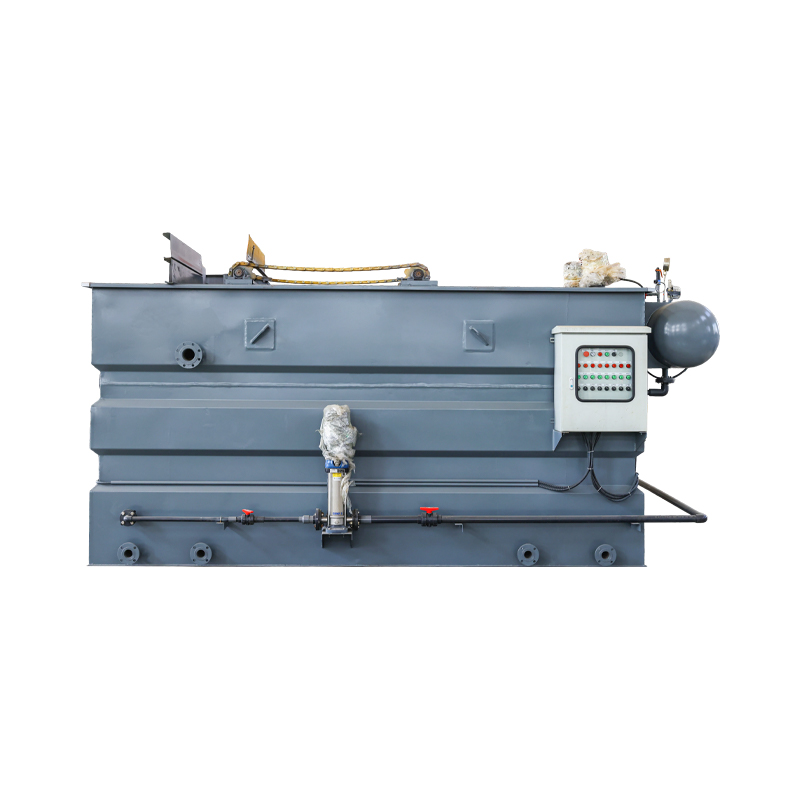
응고 전처리가 DAF 성능에 미치는 영향
효과적인 응고는 제대로 작동하는 DAF 프로세스의 전제 조건입니다. 전처리 품질은 플록 입자 크기, 혼합 강도 및 반응 시간의 세 가지 주요 매개변수를 통해 제어할 수 있습니다.
플록 입자 크기 요구 사항
DAF와 침전 공정은 플록 크기 요구 사항이 비슷합니다. 둘 다 효과적인 분리를 위해서는 수백 미크론 이상의 플록이 필요합니다. 연구에 따르면 마이크로버블과 플록 입자 사이의 접착 효율은 두 입자의 크기가 비슷할 때 최고조에 달합니다. 일반적인 DAF 마이크로버블 직경 범위는 10~100미크론이므로 일반적으로 수십 미크론~약 100미크론 범위의 플록 입자이면 충분합니다. 따라서 대형 플록을 추적할 필요가 없습니다.
실제로 대형 플록은 특히 DAF 성능에 불리하게 작용합니다. 대형 플록은 겉보기 밀도가 더 높기 때문에 상승 속도가 감소합니다. 이로 인해 DAF에서는 플록 크기 제어가 기존 침전보다 훨씬 더 중요해지며, 여기서 더 크고 밀도가 높은 플록은 일반적으로 문제가 되기보다는 장점이 됩니다.
혼합 강도 요구 사항
대형 플록은 DAF에서 제한된 가치를 제공하기 때문에 혼합 강도(속도 구배 또는 G 값)는 일반적으로 침강 중심 응고보다 더 높게 실행될 수 있습니다. 이는 여러 연구에서 뒷받침되는 결론입니다. 최적의 G-값 범위는 응고제 유형에 따라 다릅니다. 염화제2철의 경우 약 70s⁻1, 알루미늄염의 경우 70~80s⁻1, 폴리염화알루미늄(PAC)의 경우 30s⁻1 이상입니다. 10~50s⁻²의 G 값 범위에서 우수한 입자 제거가 여전히 가능하며, 더 높은 에너지 입력으로 50미크론 미만의 미세 입자 수를 효과적으로 줄여 전반적인 부양 성능을 향상시킵니다.
실제로 대부분의 시설에서는 혼합 강도가 점진적으로 감소하면서 응집을 2~3단계로 나눕니다. 초기 단계는 G = 70–100 s⁻²로 신속한 응고제 분산 및 미세 플록 형성을 촉진하고 이후 단계는 과도한 전단으로 인해 이미 형성된 플록이 부서지는 것을 방지하기 위해 G = 20–50 s⁻²로 감소합니다. 여러 처리 플랜트의 운영 데이터에 따르면 평균 응집 단계 G 값이 100 s⁻²를 초과하면 유출수의 잔류 미세 입자 수가 눈에 띄게 증가하고 플록 분해가 증가하여 스컴 제거 효율성이 감소하는 반면, G 값이 20 s⁻² 미만으로 유지되면 플록 성장이 느려지고 기포-플록 충돌 빈도가 감소하여 마찬가지로 처리 결과가 저하되는 것으로 나타났습니다.
반응 시간 요구 사항
초기 유럽 수처리 관행에서는 침전과 DAF 모두에 대해 동일한 응집 시간(일반적으로 약 45분)을 사용했습니다. 더 최근의 연구에 따르면 DAF 실제로 응집 시간은 15~20분 정도만 필요합니다. 현재 대부분의 시설에서는 총 응집 시간이 약 20분인 2단계 응집 설계를 사용하여 처리 주기 시간과 플록 품질의 균형을 맞춥니다.
실제로 응집 시간 선택은 원수의 특성과 처리량에 따라 크게 달라집니다. 차갑고 탁도가 낮은 물(5°C 미만, 탁도 10 NTU 미만)은 플록을 더 천천히 형성하므로 응집 시간을 25~30분으로 연장하거나 낮은 온도의 영향을 상쇄하기 위해 응고제 용량을 늘려야 합니다. 이와 대조적으로 탁도가 높은 물(100 NTU 이상)에서는 입자 충돌이 더 자주 발생하고 플록 성장이 더 빨라 응집 시간이 12~15분으로 단축됩니다. 응집 시간 설계는 원수 수질, 온도 및 응고제 유형을 함께 고려해야 하며 모든 경우에 적용할 수 있는 일률적인 수치는 없습니다. 수력학적 조건도 마찬가지로 중요합니다. 응집조 내의 단락 또는 데드존은 종이상에서 응집조 크기가 적당해 보이는 경우에도 유효 응집 시간을 공칭 체류 시간보다 훨씬 낮게 남길 수 있습니다.
응고에 대한 온도의 영향
낮은 온도는 물의 점도를 증가시켜 입자 이동에 대한 저항성을 높이고 충돌 효율을 감소시키는 동시에 응고제 가수분해를 늦추고 가수분해 생성물의 형태를 변화시킵니다. 두 가지 모두 빠른 플록 형성을 방해합니다. 물의 동적 점도는 온도가 1°C 떨어질 때마다 약 2~3% 증가하여 침전과 부유에 대한 저항이 직접적으로 증가합니다. 이것이 바로 추운 지역에서 겨울철 DAF를 운영할 때 효과를 상쇄하기 위해 응고제 투여량을 늘리거나 응집 시간을 20~30% 더 늘려야 하는 이유입니다.
원수 탁도 및 응집 전략
원수 탁도 수준도 응고 제어 전략을 결정합니다. 탁도가 낮은 물은 입자가 적고 충돌 기회도 적기 때문에 일반적으로 응집제 형성을 강화하기 위해 응고 보조제나 미세 모래를 이용한 응집이 필요합니다. 대신 탁도가 높은 물에서는 플록이 너무 빨리 침전되는 것을 방지하기 위해 응집 시간과 혼합 강도를 세심하게 일치시켜야 합니다. 탁도가 매우 가변적인 수원의 경우 자동 피드백 투여 제어와 결합된 실시간 모니터링이 현대 DAF 시스템의 표준 관행이 되어 프로세스가 수동 개입 없이 수질 변동에 대응할 수 있도록 돕습니다.
화학물질 투여가 DAF 성능에 미치는 영향
소수성 또는 친수성 입자는 표면 특성을 변경하고 기포 입자 접착을 강화하기 위해 화학적 처리가 필요한 경우가 많습니다. DAF에 사용되는 일반적인 화학물질 범주는 다음과 같습니다.
응고제
응고제 — inorganic and organic polymer types — promote flocculation of fine particles into larger aggregates, increasing rise velocity while also modifying the hydrophilic surface character of suspended particles to favor subsequent flotation. 일반적인 무기응집제로는 황산알루미늄, 폴리염화알루미늄, 염화제2철 등이 있습니다. , 가수분해 속도, 최적의 pH 범위 및 플록 밀도가 다릅니다.
염화제이철은 pH 6.0~8.5에서 우수한 성능을 발휘하므로 유성 폐수 처리에 특히 적합합니다. 반면 황산알루미늄의 최적 범위(pH 6.0~7.5)는 더 좁아서 해당 대역 밖에서 성능이 눈에 띄게 떨어집니다. 무기 고분자 응고제인 폴리염화알루미늄은 더 높은 비율의 사전 중합된 가수분해 제품의 이점을 활용하여 기존 알루미늄염보다 더 나은 냉수 적응성과 함께 더 넓은 pH 범위(5.5~8.5)에 걸쳐 안정적인 성능을 유지합니다. 유기 고분자 응고제(대표적으로 폴리아크릴아미드 시리즈)는 긴 사슬 구조를 사용하여 입자 사이를 연결하여 더 큰 플록 형성을 촉진합니다. 그러나 과다 복용은 실제로 응집을 악화시키는 콜로이드 보호 효과를 유발할 수 있으므로 투여량은 엄격한 제어가 필요합니다. 무기 응집제와 유기 응집제를 결합하는 것은 전하 중화와 가교/흡착 메커니즘을 함께 활용하는 일반적인 관행입니다.
부양제
일반적인 부양제에는 석유, 로진 오일, 스테아레이트 및 계면활성제가 포함됩니다. 친수성 부유 입자가 부양제의 극성 끝 부분을 흡착하면 비극성 끝 부분이 물 바깥쪽으로 향하게 되어 입자 표면이 친수성에서 소수성으로 바뀌고 미세 기포에 더 쉽게 부착됩니다. 부양제 선택성은 오염물질 유형에 따라 다릅니다. — 거품 생성제와 결합된 디젤 또는 등유는 광물 처리 폐수의 미세 석탄 슬러리에 일반적으로 사용되는 반면, 로진 오일 기반 제제는 직물 인쇄 및 염색 폐수에서 소수성 염료 입자에 더 자주 사용됩니다. 부양제는 일반적으로 적절한 혼합 및 흡착 시간을 보장하기 위해 응고 반응조의 전면 또는 중간 부분에 투입됩니다.
응고 보조제
응고제는 주로 부유 입자 표면의 소수성을 증가시켜 부유성을 향상시킵니다. 폴리아크릴아미드가 전형적인 예입니다. 응고 보조제는 일반적으로 상대적으로 낮은 용량(일반적으로 0.1~0.5mg/L)으로 1차 응고제와 함께 사용되지만 부유 제거 효율에 미치는 영향은 상당할 수 있습니다. 투여 순서는 상당히 중요합니다. 일반적으로 1차 응고제가 완전히 분산된 후에만 응고 보조제를 추가하는 것이 가장 좋으며 두 응고제의 효과를 감소시킬 수 있는 두 응고제 사이의 직접적인 반응을 피하는 것이 좋습니다.
진정제
진정제 selectively suppress the floatability of certain substances without affecting flotation removal of the target contaminant — sodium sulfide and lime are common examples. Depressants see particularly wide use in mineral flotation and multi-metal separation, and in wastewater treatment are often applied to complex systems containing multiple contaminant types. Optimal dosage needs to be determined by testing against the specific raw water composition — underdosing leaves suppression incomplete, while overdosing risks suppressing the target contaminant's own floatability.
pH 조절제
pH 조절제(다양한 산 및 염기)는 폐수의 pH를 조정하여 물 내 기포 분산 및 기포 입자 부착 능력을 조정합니다. pH는 입자 표면 전하뿐만 아니라 응고제 가수분해 형태와 기포 표면 전위에도 영향을 미칩니다. 다양한 응고제 및 오염물질 시스템에는 최적의 pH 작동 창이 있습니다. — 예를 들어, 염화제이철 응고로 처리된 유성 폐수는 pH 6.5~7.5에서 최고의 오일 제거 효과를 얻습니다. 원수 pH 변화에 따른 실시간 투여 조정은 최적의 범위를 유지하기 위한 표준 운영 관행입니다. 강알칼리성 산업 폐수는 일반적으로 황산이나 염산으로 조정되는 반면, 산성 폐수는 일반적으로 석회나 수산화나트륨으로 중화됩니다. 최적의 pH 조건에서 응고 반응이 진행되도록 하려면 응고제를 투여하기 전에 pH 조절제를 투여해야 합니다.
투여 순서 및 호환성 고려 사항
투여 순서와 다양한 화학물질 간의 호환성은 DAF 실행의 치료 결과에 큰 영향을 미칩니다. 일반적인 순서는 다음과 같습니다: pH 조절제 먼저, 물을 목표 pH 범위로 만드는 것; 그런 다음 가수분해 생성물의 전하 중화를 사용하여 콜로이드를 불안정하게 만드는 응고제; 그런 다음 응집제를 사용하여 가교 작용을 통해 플록 크기를 증가시킵니다. 부양제는 일반적으로 DAF 접촉 구역 직전에 투여되어 분리 단계에 들어가기 전에 플록 입자와 완전히 접촉하도록 합니다. 억제제는 억제되는 특정 표적 물질에 따라 응고 전 또는 후에 투여됩니다.
특정 화학 조합에는 실제 호환성 위험이 있습니다. 양이온 및 음이온 폴리아크릴아미드는 절대 혼합하면 안 됩니다. 그렇게 하면 크고 비효율적인 응집체가 생성되기 때문입니다. 부양제와 응고제를 매우 연속해서 투여하면 흡착 부위를 놓고 경쟁하여 둘 다의 효과가 감소할 수 있습니다. 투여 시스템 설계는 이러한 상호 작용을 고려해야 하며, 주어진 수원에 대한 최적의 화학적 조합과 순서를 확인하기 위해 비커(병) 테스트를 권장합니다.
미세 기포 특성이 DAF 성능에 미치는 영향
안정적인 대규모 마이크로버블 생성은 DAF 공정의 핵심이며, 버블 크기와 표면 특성은 분리 효율을 직접적으로 결정합니다.
미세기포 크기
최근 연구에 따르면 마이크로버블 크기에 있어서 작은 것이 항상 더 좋은 것은 아닙니다. , for several reasons: excessively small bubbles mean floc particles need to attach to more bubbles to rise, which is practically difficult; smaller bubbles require more energy input to generate, raising operating cost; overly small bubbles can carry over into downstream filtration and cause air-binding issues; and surface loading in the separation zone also affects the ideal bubble size — as surface loading increases, bubble-floc aggregates spend less time in the water, requiring higher rise velocity to reach the surface in time. A given number of small bubbles attached to a floc produces higher apparent density and lower rise velocity than the same number of large bubbles, working against higher surface loading capacity.
From a size-distribution standpoint, an ideal DAF process should aim for a narrow, uniform bubble size distribution rather than simply minimizing average size. An overly broad size distribution means large bubbles rise too fast for adequate floc contact time, while overly small bubbles may rise too slowly or even be carried off with the water flow. Bubble size uniformity is often more important to overall DAF efficiency than reducing average bubble size alone.
Microbubble Surface Characteristics
Microbubbles in water typically adsorb certain anions preferentially, acquiring a negative surface charge that can reach fairly high negative values — measured data typically shows microbubble surface potential around -100mV in DAF processes, and floc particle surfaces are also generally negatively charged. When the two approach each other, electrostatic repulsion works against collision and adhesion. Raw water quality and the type and quantity of adsorbed ions both affect microbubble strength, surface hydrophobicity, and charge — adding an appropriate amount of electrolyte can modify these characteristics and adjust flotation performance accordingly.
Regarding surface charge control specifically, metal cations in water (such as Ca²⁺ and Mg²⁺) can reduce bubble surface negative potential through a double-layer compression mechanism, reducing electrostatic repulsion between bubbles and flocs. This is part of why DAF often performs better in hard water than soft water — adjusting water hardness or adding a small amount of electrolyte in practice can improve bubble adhesion performance. Bubble surface hydrophobicity is also a decisive factor in adhesion efficiency: more hydrophobic bubbles adhere more firmly to hydrophobic particles, and the type and quantity of surfactants adsorbed during bubble formation directly determines the degree of surface hydrophobicity.
Microbubble Density and Dispersion Uniformity
Beyond bubble size and surface characteristics, the number density of microbubbles per unit volume of water is also a key parameter affecting DAF efficiency. Under the same saturation pressure and release conditions, higher bubble density means greater total bubble surface area and a correspondingly higher probability of collision with floc particles. But excessively high bubble density can create a noticeable wake effect from rising bubble clusters, increasing local water turbulence and disrupting the stable rise of bubble-floc aggregates. There's an optimal bubble density range, which needs to be determined by testing based on floc concentration and size distribution.
Uniform microbubble dispersion within the contact zone is equally important — uneven bubble distribution, with excess bubbles in some areas and insufficient bubbles in others, inevitably reduces overall flotation efficiency. Engineering practice typically addresses this through optimized placement and quantity of release nozzles, combined with flow-directing structures in the contact zone to promote uniform cross-sectional bubble distribution.
Saturation Pressure and Release Conditions
Saturation (dissolved air) pressure is the core operating parameter determining microbubble size and quantity. Higher saturation pressure increases dissolved air content, producing more microbubbles upon pressure release, though average bubble size may also increase along with energy consumption. Current DAF processes typically operate in the 0.3–0.6 MPa saturation pressure range , which generally achieves favorable microbubble characteristics — the optimal balance between bubble quantity and energy consumption should be determined for the specific water quality and treatment goals involved.
The design of the pressure-release device has a decisive effect on the initial bubble size distribution. Common release device types include needle valve, perforated plate, and dedicated release nozzle designs, which can produce significantly different bubble size distributions at the same saturation pressure. Recent development of higher-efficiency release nozzles has brought average microbubble diameter down from a traditional 50–80 micron range to 20–40 microns, significantly improving bubble-floc adhesion efficiency. Release nozzle clogging remains a major obstacle to long-term stable DAF system operation, and is typically managed through regular flushing or pre-filtration.
How Saturation Method Affects DAF System Operation
The saturation (dissolved air) method used determines microbubble generation quality and overall system energy consumption. Current mainstream DAF saturation methods fall into three basic categories: full-flow pressurized saturation, partial-flow pressurized saturation, and recycle-flow pressurized saturation.
| Comparing the three main dissolved air saturation methods used in DAF systems. | |
| Saturation Method | Characteristics |
| Full-flow pressurized saturation | All influent is pressurized and saturated; thorough air-water mixing, but larger pump/saturation tank sizing and higher energy use; prone to packing clogging with high suspended solids |
| Partial-flow pressurized saturation | Only part of the influent is pressurized; reduces saturation system size, but requires precise flow-split control, or release pressure fluctuates and bubble size stability suffers |
| Recycle-flow pressurized saturation | Most widely used method; recycles 20–40% of DAF effluent for pressurized saturation, then blends with influent; lower suspended solids in the recycle stream means less clogging and better stability |
Recycle-flow pressurized saturation is currently the most widely applied method, since suspended solids content in the recycled stream is low, making the saturation tank and release nozzles less prone to clogging, with good operational stability and strong adaptability to raw water quality fluctuations. Recycle ratio selection should account for raw water suspended solids concentration, floc rise velocity, and treatment volume together — generally, higher suspended solids concentration calls for a higher recycle ratio.
Each saturation method affects bubble size distribution, energy consumption, and system operating stability differently, so selection should weigh treatment scale, water quality characteristics, and overall economics together.
Yixing Hengye 환경 보호와 협력합시다
Contact Us관련 상품
- 문의하기
-
-
[email protected]

[email protected] -
+86-13812201185

-
+86-13812201185

-
중국 장쑤성 우시시 이싱시 가오청진 가오야오 마을 사이테로 20호

-



