


Sewage Treatment Solutions & Wastewater Treatment Equipment Guide
효과적인 하수 처리 솔루션은 병원체, 부유 고형물, 용존 유기물, 영양분 및 미량 오염 물질의 복잡한 혼합물을 배출 또는 재사용 표준을 충족하는 폐수 품질로 줄입니다. 모든 범위의 폐수 특성과 유량에 걸쳐 이를 달성하는 단일 기술은 없습니다. 성공적인 처리는 물리적, 생물학적, 화학적 공정의 올바른 조합을 선택하고 순서를 정하고 각 단계에 적절한 크기의 내구성 있는 폐수 처리 장비를 갖추는 데 달려 있습니다.
도전의 규모는 상당합니다. 유엔은 그 이상으로 추산한다. 전 세계 폐수의 80%가 처리되지 않은 채 배출됩니다. , 수인성 질병, 부영양화 및 담수 부족에 기여합니다. 개발도상국에서는 규제 체계가 강화되고 선진국에서는 배출 제한이 더욱 엄격해짐에 따라 도시 하수 인프라와 산업 폐수 처리 시스템에 대한 수요가 모든 지역에서 계속 증가하고 있습니다.
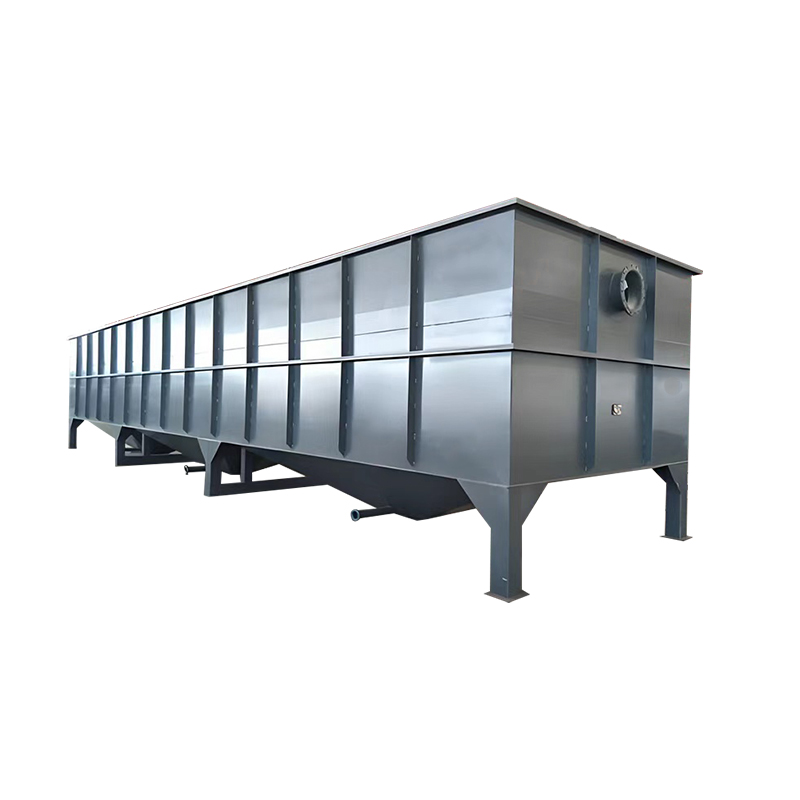
치료 과정: 단계 및 각 단계에서 제거되는 사항
하수 처리는 순차적인 단계로 구성되며 각 단계는 특정 범주의 오염 물질을 대상으로 합니다. 각 단계에서 무엇을 제거하는지 이해하면 주어진 폐수 프로필에 어떤 장비가 필수인지 선택인지 명확해집니다.
예비 및 1차 치료
들어오는 하수는 먼저 하류 장비를 손상시킬 수 있는 큰 고형물, 플라스틱, 헝겊 및 연마 입자를 제거하는 스크린과 모래 챔버를 통과합니다. 그런 다음 1차 정화기는 침전 가능한 부유 물질(일반적으로 전체 부유 물질의 50~70%)을 1차 슬러지로 침전시키는 동시에 부유 물질을 걷어냅니다. 이 단계에서는 생물학적 활동이 필요하지 않으며 BOD 부하가 크게 감소된 배출물이 생성되어 2차 처리로 향합니다.
2차(생물학적) 치료
2차 처리는 BOD 및 COD로 측정되는 대부분의 용해 및 콜로이드 유기 물질이 미생물에 의해 분해되는 곳입니다. 주요 기술은 다음과 같습니다.
- 활성 슬러지 시스템 - 부유 바이오매스는 폭기조에 유지되고 2차 정화기에서 재활용됩니다. 기존 활성 슬러지(CAS)는 95% 이상의 BOD 제거 효율을 달성하며 전 세계적으로 가장 널리 사용되는 2차 처리 공정입니다.
- 시퀀싱 배치 반응기(SBR) — 단일 탱크가 정해진 주기에 따라 폭기, 침전 및 디캔팅을 수행하므로 별도의 정화기가 필요하지 않습니다. SBR 시스템은 특히 가변 유량 조건과 컴팩트한 현장 설치 공간에 매우 적합합니다.
- 이동층 생물막 반응기(MBBR) — 폭기조에 매달린 플라스틱 운반 매체는 생물막 부착 표면을 제공하여 단위 부피당 바이오매스 농도를 높이고 기존 탱크를 더 높은 용량으로 개조할 수 있습니다.
- 막 생물반응기(MBR) — 한외여과막은 2차 정화기를 대체하여 직접적인 재사용에 적합한 일관되게 높은 품질의 정화된 폐수를 생성합니다. 자본 비용은 기존 시스템보다 높지만 설치 공간이 작고 우수한 폐수 품질은 제한된 부지나 재사용 프로젝트에서 큰 장점이 됩니다.
3차 및 고급 치료
2차 배출수가 배출 또는 재사용 기준을 충족하지 못하는 경우 3차 처리를 통해 잔류 부유 고형물, 영양분(질소 및 인), 병원균을 제거합니다. 공정에는 모래 여과, 화학적 인 침전, 질산화/탈질화를 통한 생물학적 질소 제거, UV 소독, 염소화 및 미량 유기 오염물질에 대한 고급 산화가 포함됩니다. 민감한 수역으로 유출물이 유입되거나 관개 및 산업 재사용을 위해 재활용되는 경우에는 3차 처리가 필수입니다.
코어 폐수 처리 장비 카테고리
각 치료 단계는 특정 장비 유형에 따라 다릅니다. 다음은 도시 및 산업 폐수 처리장에서 사용되는 주요 장비 범주를 다루고 있습니다.
스크린 및 모래 제거 장비
바 스크린(거친 것, 가는 것, 미세한 것)은 정의된 구멍 크기 이상의 고형물을 제거하는 첫 번째 방어선입니다. 기계적으로 긁힌 스크린은 스크리닝 제거를 자동화하여 작업자 개입을 줄입니다. 그릿 분류기 및 와류 그릿 챔버는 펌프, 임펠러 및 폭기 장비 다운스트림의 마모를 가속화하는 모래, 자갈 및 무기 입자를 제거합니다.
정화기 및 침전조
느리게 움직이는 스크레이퍼 메커니즘을 갖춘 원형 및 직사각형 정화기는 바닥에 침전된 슬러지를 수집하고 표면에 쓰레기를 수집합니다. 라멜라(경사판) 정착민 효과적인 정착 거리를 단축하기 위해 밀접하게 배치된 경사판을 사용함으로써 동등한 정착 성능에 필요한 설치 공간을 대폭 줄입니다. 이는 토지 면적이 제한된 경우 귀중한 옵션입니다.
폭기 시스템
폭기는 일반적인 활성 슬러지 플랜트에서 에너지 소비의 50~60%를 차지하므로 장비 선택은 운영 비용에 매우 중요합니다. 미세 기포 확산기 시스템은 표준 조건에서 20~35%의 산소 전달 효율(OTE)을 달성하며 이는 거친 기포 또는 표면 폭기 장치보다 훨씬 우수하며 신규 설치를 위한 표준 선택입니다. 송풍기 기술은 공기 공급을 생물학적 산소 요구량에 실시간으로 정확하게 맞추는 고효율 터보 송풍기와 가변 속도 드라이브로 크게 전환되었습니다.
펌프 및 믹서
수중 및 건식 우물 원심 펌프는 처리되지 않은 하수, RAS(귀환 활성 슬러지) 및 WAS(폐기 활성 슬러지) 흐름을 공장 전체에서 처리합니다. 막히지 않는 임펠러 설계로 걸레가 쌓이는 것을 방지합니다. 수중 혼합기는 산소를 도입하지 않고 무산소 구역과 균등화조에서 현탁액의 고형물을 유지하여 생물학적 질소 제거를 지원합니다.
슬러지 처리 장비
슬러지 관리는 모든 처리장에서 중요한 비용 중심점을 나타냅니다. 중력 농축기 및 용존 공기 부유선광(DAF) 농축기는 소화 또는 탈수 전에 슬러지 고형물 농도를 증가시킵니다. 혐기성 소화조는 슬러지를 안정화하고 바이오가스를 회수합니다. 하루 100,000m³를 처리하는 시설에서는 전력 수요의 30~50%를 충당할 수 있는 충분한 바이오가스를 생성할 수 있습니다. 탈수 장비(벨트 필터 프레스, 원심분리기, 스크류 프레스)는 폐기 또는 유익한 토지 적용을 위해 슬러지 양을 줄입니다.
| 장비 유형 | 치료단계 | 주요 기능 | 주요 선택 기준 |
|---|---|---|---|
| 기계식 바 스크린 | 예비 | 큰 고형물 제거 | 바 간격, 채널 폭 |
| 원형 청징제 | 기본 / 보조 | 부유 물질을 침전시키다 | 표면 넘침률(m³/m²/h) |
| 파인 버블 디퓨저 | 2차(생물학적) | 바이오매스로 산소 전달 | SOTE(%), 내오염성 |
| MBR 멤브레인 모듈 | 2차/3차 | 고형물 분리 설명 | 플럭스 속도, 청소 프로토콜 |
| UV 소독 장치 | 3차 | 병원체 불활성화 | UV 선량(mJ/cm²), 유출수의 UVT |
| 원심분리기 / 벨트프레스 | 슬러지 처리 | 슬러지 탈수 | 케이크 건조 고형물 %, 폴리머 수요량 |
산업 및 도시 하수 처리: 다양한 문제, 다양한 솔루션
도시 하수 처리장은 상대적으로 예측 가능한 구성(높은 BOD, 부유 고형물, 병원균 및 영양분)을 가진 생활 폐수를 하루에 따라 다르지만 예측 가능한 패턴을 따르는 흐름으로 처리합니다. 산업 폐수는 근본적으로 다른 문제를 제시합니다. 구성은 부문에 따라 다르고 흐름은 매우 간헐적일 수 있으며 오염 물질 프로필에는 생물학적 처리를 방해하거나 특수 제거 프로세스가 필요한 물질이 포함되는 경우가 많습니다.
식품 및 음료 가공
높은 유기물 함량(BOD 1,000~5,000mg/L이 일반적임), 지방, 오일 및 그리스(FOG), 변동하는 pH는 식품 가공 폐수의 특징입니다. DAF 시스템은 생물학적 처리에 앞서 FOG 제거에 필수적입니다. UASB(상류 혐기성 슬러지 블랭킷) 반응기를 사용한 혐기성 전처리는 유기물 부하가 높기 때문에 경제적으로 매력적입니다. 단일 UASB 처리 양조장 배출수는 현장 에너지 수요의 상당 부분을 상쇄하기에 충분한 바이오가스를 생산할 수 있습니다.
섬유 및 염색 산업
섬유 폐수에는 기존의 생물학적 분해에 강한 합성 염료, 계면활성제 및 보조 화학 물질이 포함되어 있습니다. 고급 산화 공정(AOP) —오존처리, 펜톤 반응, UV/H2O2 —는 생물학적 처리 전후에 발색단 구조를 분해하는 데 필요합니다. 색상 제거는 BOD가 아닌 방전 준수에 대한 구속력을 갖는 경우가 많습니다.
제약 및 화학 제조
미량 활성 제약 성분(API), 용매 및 복합 유기 화합물에는 활성탄 흡착, 막 여과 또는 농축 스트림의 소각이 필요합니다. 생물학적 처리만으로는 많은 제약 폐수 흐름에 필요한 배출수 품질을 달성할 수 없으며, 독성 화합물로 인한 바이오매스를 억제할 위험이 있으므로 생물학적 단계 이전에 신중한 균등화 및 전처리가 필요합니다.
분산형 및 패키지 하수 처리 솔루션
모든 폐수 처리 문제가 대규모 중앙 집중식 인프라에 적합한 것은 아닙니다. 원격 커뮤니티, 리조트, 고속도로 서비스 지역, 산업 현장 및 하수구가 없는 지역의 주택 개발에는 신속하게 설치하고 최소한의 교육을 받은 직원으로 운영하며 현장 전문 작업장 시설 없이 유지 관리할 수 있는 소형의 자급식 하수 처리 솔루션이 필요합니다.
강철 또는 GRP 탱크에 담겨 배송되는 공장 조립 장치인 패키지 처리 플랜트는 단일 설치 공간에 완벽한 2차 처리 기능을 제공합니다. 일반적인 구성은 다음과 같습니다.
- 통합 고정막 활성 슬러지(IFAS) — 단일 반응기에서 생물막 매체와 정지 성장을 결합하여 동일한 BOD 제거 시 기존 활성 슬러지에 비해 탱크 용량 요구 사항을 30~40% 줄입니다.
- 회전식 생물학적 접촉기(RBC) — 폐수 지지대에 부분적으로 잠긴 천천히 회전하는 디스크는 폐수와 그 위의 공기와 번갈아 접촉하는 생물막이 부착되어 있습니다. RBC는 에너지 소비가 적고 최소한의 감독만으로 안정적으로 작동하므로 무인 또는 자주 방문하지 않는 현장에 적합합니다.
- 확장된 통기 시스템 — 긴 수리학적 체류 시간과 낮은 유기물 적재율은 낮은 슬러지 수율로 안정적이고 질산화된 폐수를 생성하여 슬러지 제거 빈도를 줄입니다. 이는 탱커 접근이 제한된 경우 중요한 이점입니다.
컨테이너화된 처리장 재해 후 재건, 군사 작전, 건설 캠프 물 관리 등의 신속한 배포를 위해 점점 더 인기 있는 형식이 되었습니다. 컨테이너화된 MBR 시스템은 표준 20피트 컨테이너 공간 내에서 하루 50~500m3의 유량을 처리하고 관개 재사용 표준을 충족하는 폐수를 생성할 수 있습니다.
현대 처리장의 에너지 효율성 및 자원 회수
폐수 처리의 틀은 지난 10년 동안 폐기물 처리 문제에서 자원 회수 기회로 전환되었습니다. 에너지 중립 및 에너지 포지티브 처리장 이제 공정 최적화와 바이오가스 활용을 결합하여 지방자치단체 규모에서 달성할 수 있습니다.
이러한 변화를 주도하는 주요 전략은 다음과 같습니다.
- 1차 슬러지 포집 극대화 — 유기물을 2차 폭기에서 산화시키는 대신 혐기성 소화로 전환하면 에너지 함량이 보존됩니다. 화학적으로 강화된 1차 침전(CEPS)을 이용한 강화된 1차 처리는 1차 슬러지 생산량을 증가시키는 동시에 2차 폭기 부하를 감소시킵니다.
- 혐기성 공동 소화 — 하수 슬러지를 고에너지 외부 기질(음식물 쓰레기, FOG 트랩의 지방, 농업 잔여물)로 보충하면 소화조 용량이 충분히 활용되지 않는 경우 최소한의 추가 자본 투자로 바이오가스 생산량을 50~150% 늘릴 수 있습니다.
- 영양분 회복 — 스트루바이트(마그네슘 암모늄 인산염) 결정화 시스템은 서방형 비료로 슬러지 용액에서 인을 회수하는 동시에 액체 처리 트레인에서 추가 화학 물질 투입이 필요한 인 재활용 부하를 줄입니다.
- 고급 송풍기 제어 — real-time ammonia and dissolved oxygen sensors coupled with variable-speed blower drives reduce aeration energy consumption by 20–35% compared with fixed-speed systems at constant air flow.
Selecting Wastewater Treatment Equipment: Critical Specification Inputs
Equipment procurement without adequate characterisation of the wastewater being treated is a primary cause of underperforming plants and costly retrofits. A reliable specification requires at minimum:
- Design flow rates — average daily flow, peak hourly flow, and minimum flow; the ratio between peak and average determines the sizing of screens, pumps, and clarifiers.
- Wastewater characterisation — BOD, COD, TSS, TN, TP, pH, temperature, and any industry-specific parameters (heavy metals, specific organics, TDS) that affect process selection or materials of construction.
- Effluent quality requirements — the discharge consent or reuse standard the treated effluent must meet, expressed as maximum concentration limits and any seasonal or receiving water-body-specific conditions.
- Site constraints — available footprint, headroom limitations, access restrictions for maintenance equipment, proximity to sensitive receptors (noise, odour), and ground conditions affecting civil foundations.
- Utility availability — electrical supply capacity, water availability for dilution or backwash, and the presence or absence of natural gas infrastructure affecting sludge management options.
- Operational model — continuous staffed operation, semi-automated with periodic attendance, or fully automated remote-monitored; this determines the acceptable complexity of control systems and the redundancy requirements for critical equipment.
Providing complete specification data enables equipment suppliers and process engineers to produce designs that are right-sized from the outset—avoiding both the capital waste of oversized equipment and the compliance risk of systems that cannot meet consent conditions at design flow.
Yixing Hengye 환경 보호와 협력합시다
Contact Us- 문의하기
-
-
[email protected]

[email protected] -
+86-13812201185

-
+86-13812201185

-
중국 장쑤성 우시시 이싱시 가오청진 가오야오 마을 사이테로 20호

-



